House of the Good Shepherd for White Women

Founded: Opened 1864
Location: Mount and Hollins streets, Baltimore, MD

Additional Information

  • Dates: 1894
    Notes: THE HOUSE OF THE GOOD SHEPHERD, is situated on Mount and Hollins street, Baltimore. It is a reformatory institution, opened in 1864 in a dwelling then known as the “Donnell Mansion,” the entire cost of the new additions to the original property, which was donated by the late Mrs. Emily McTavish, being $179,000. The institution was placed in charge of the Sisters of the Good Shepherd, (whence its name is derived), whose lives are devoted entirely to sheltering and reclaiming unfortunate and abandoned women and girls, as well as protecting and preserving from danger young girls and children without proper parental care and protection. The institution has been enlarged from time to time by contributions and assistance from the State, until it now has a capacity for several hundred inmates.The work of the institution consists of all kinds of needle-work, from the plainest to the finest, and most exquisite embroidery done by hand. The inmates are principally fallen and abandoned women, many of whom have been committed by the magistrates throughout the State; others have been brought by friends, and some have come voluntarily with a desire to reform.

    There is also connected with this institution a department where unprotected girls can have proper training and care. There is also a department for children, who when they arrive at eighteen years of age, are provided with good homes by the Sisters. By this means many young girls become useful women through the training received in this institution. The total number of inmates in the institution since its organization is 1,975. At present there are 241 inmates. The State of Maryland appropriates $3,000 per annum to its support. The work performed by the Sisters in charge of this institution has certainly been remarkable. Many fallen women have been reformed and others protected in time to save them from temptations that surround them in great cities. There can be no doubt of the wisdom of the General Assembly in assisting this institution.

    Source: Message of Frank Brown, Governor of Maryland, to the General Assembly at its Regular Session, January, 1894 Baltimore: Wm. J.C. Dullany Company: 78-79

 

Aged Men’s Home

Closed: Building demolished July 1959
Location: 1400 W. Lexington St., Baltimore, MD

Images

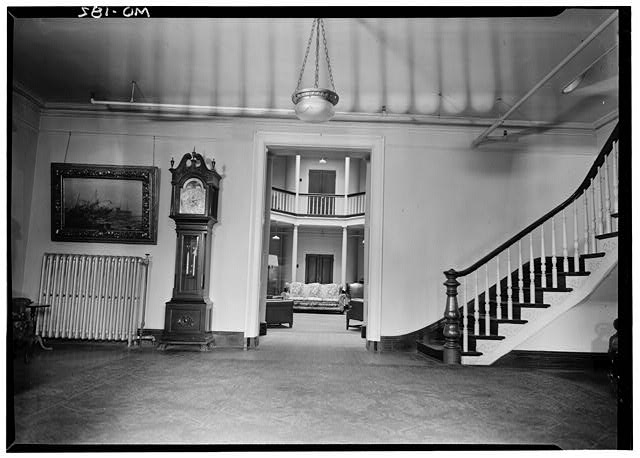
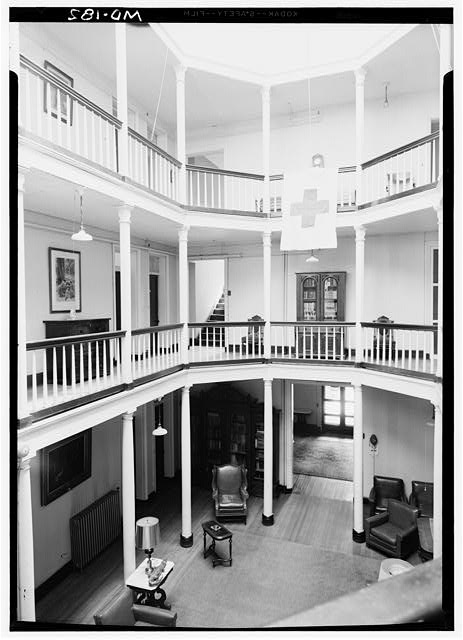
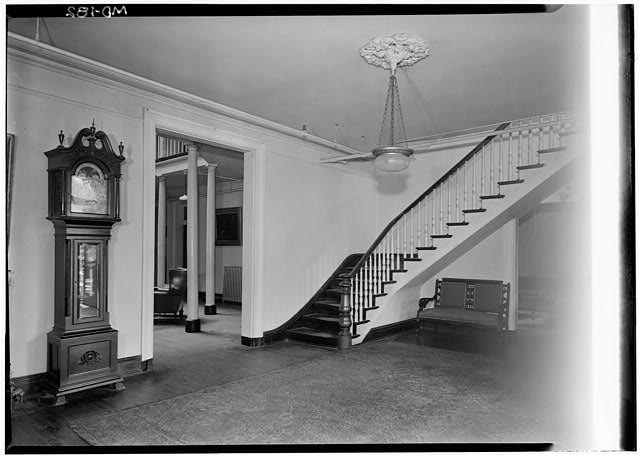
Aged Men's Home. Historic American Buildings Survey. Library of Congress

Aged Men’s Home. Historic American Buildings Survey. Library of Congress

Aged Men's Home. Historic American Buildings Survey. Library of Congress

Aged Men’s Home. Historic American Buildings Survey. Library of Congress

Aged Men's Home. Historic American Buildings Survey. Library of Congress

Aged Men’s Home. Historic American Buildings Survey. Library of Congress

Aged Men's Home. Historic American Buildings Survey. Library of Congress

Aged Men’s Home. Historic American Buildings Survey. Library of Congress

Additional Information


Montevue Asylum

Founded: Established 1870
Location: Frederick, MD

Images

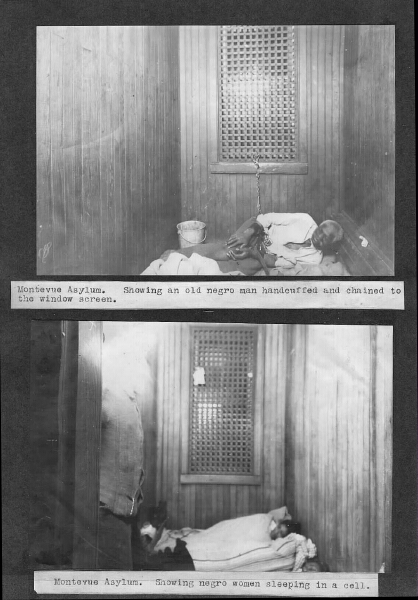
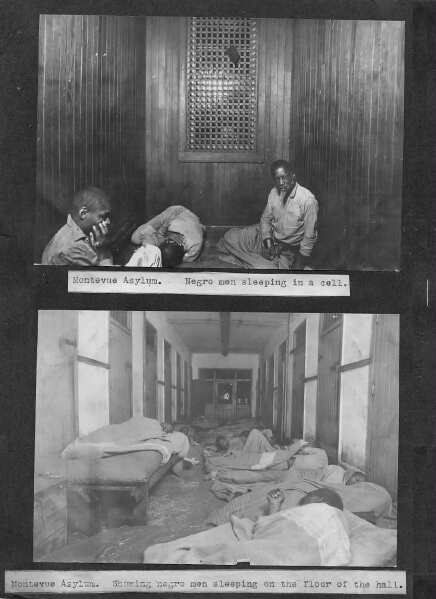
Montevue Asylum, View of cells, African American wards. 23rd Annual Report of the Maryland Lunacy Commission. Maryland State Archives

Montevue Asylum, View of cells, African American wards. 23rd Annual Report of the Maryland Lunacy Commission. Maryland State Archives

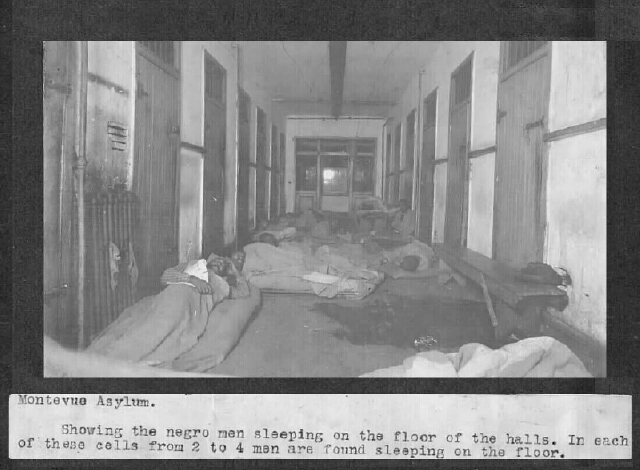
Montevue Asylum, African American male ward views. 23rd Annual Report of the Maryland Lunacy Commission. Maryland State Archives

Montevue Asylum, African American male ward views. 23rd Annual Report of the Maryland Lunacy Commission. Maryland State Archives

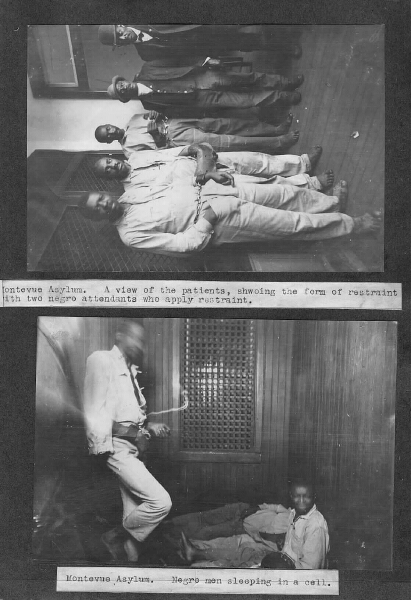
Montevue Asylum, African American males in restraint devices. 23rd Annual Report of the Maryland Lunacy Commission. Maryland State Archives

Montevue Asylum, African American males in restraint devices. 23rd Annual Report of the Maryland Lunacy Commission. Maryland State Archives

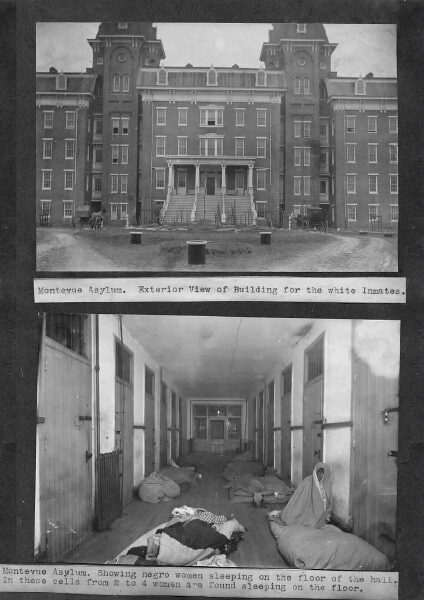
Montevue Asylum: white building; African American female ward. 23rd Annual Report of the Maryland Lunacy Commission. Maryland State Archives

Montevue Asylum: white building; African American female ward. 23rd Annual Report of the Maryland Lunacy Commission. Maryland State Archives

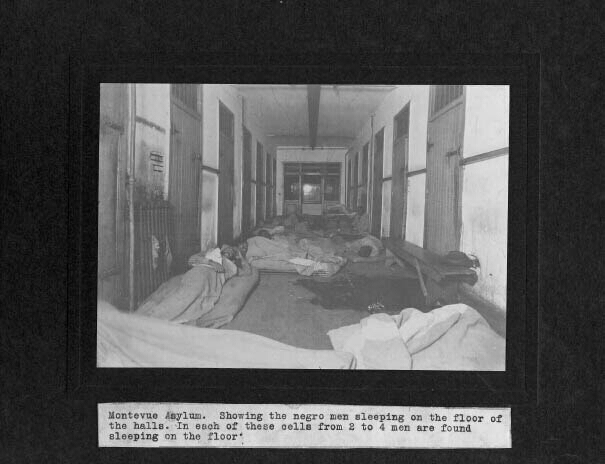
Montevue Asylum, African American male ward. 23rd Annual Report of the Maryland Lunacy Commission. Maryland State Archives

Montevue Asylum, African American male ward. 23rd Annual Report of the Maryland Lunacy Commission. Maryland State Archives

Montevuew Asylum. 23rd Annual Report of the Maryland Lunacy Commission. Maryland State Archives


Montevuew Asylum. 23rd Annual Report of the Maryland Lunacy Commission. Maryland State Archives

Montevue Asylum, Frederick County. 23rd Annual Report of the Maryland Lunacy Commission. Maryland State Archives

Montevue Asylum, Frederick County. 23rd Annual Report of the Maryland Lunacy Commission. Maryland State Archives

House of Refuge

Founded: 1812 as House of Industry; name changed 1831
Location: Frederick Road, Baltimore, MD

Images

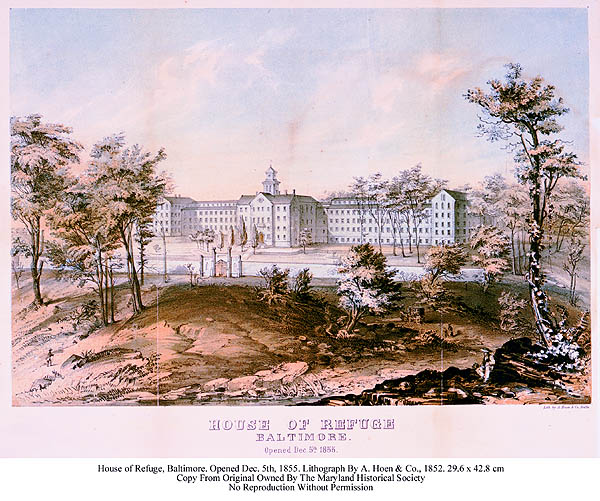
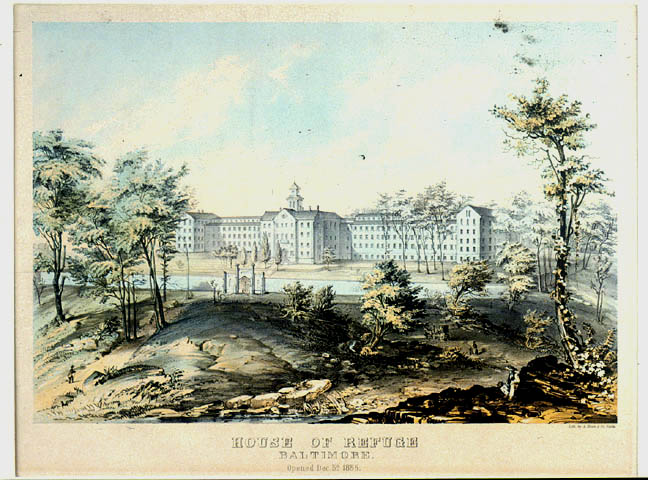
House of Refuge, Baltimore. Opened December 5th 1855. Lithography by A. Hoen & Co. From First Annual Report of the Managers of the House of Refuge, frontis. Maryland Historical Society

House of Refuge, Baltimore. Opened December 5th 1855. Lithography by A. Hoen & Co. From First Annual Report of the Managers of the House of Refuge, frontis. Maryland Historical Society

House of Refuge, Baltimore, Opened December 5, 1855. Artist: Unknown Other Contributor: A. Hoen & Co. Pict 16.15 x 11.11 1933 Notes : Lithograph by Hoen, 1855. This building, a home for unruly boys, stood on the hill west of Gwynns Falls near Frederick Avenue. At the laying of the cornerstone, October 27, 1851, Chief Justice Taney and Governor Lowe of Maryland were speakers. George W. Brown, afterward Mayor, was president of the board. Cator Collection, Print 120. Enoch Pratt Free Library

House of Refuge, Baltimore, Opened December 5, 1855.
Artist: Unknown
Other Contributor: A. Hoen & Co.
Pict 16.15 x 11.11
1933 Notes : Lithograph by Hoen, 1855.
This building, a home for unruly boys, stood on the hill west of Gwynns Falls near Frederick Avenue. At the laying of the cornerstone, October 27, 1851, Chief Justice Taney and Governor Lowe of Maryland were speakers. George W. Brown, afterward Mayor, was president of the board. Cator Collection, Print 120. Enoch Pratt Free Library

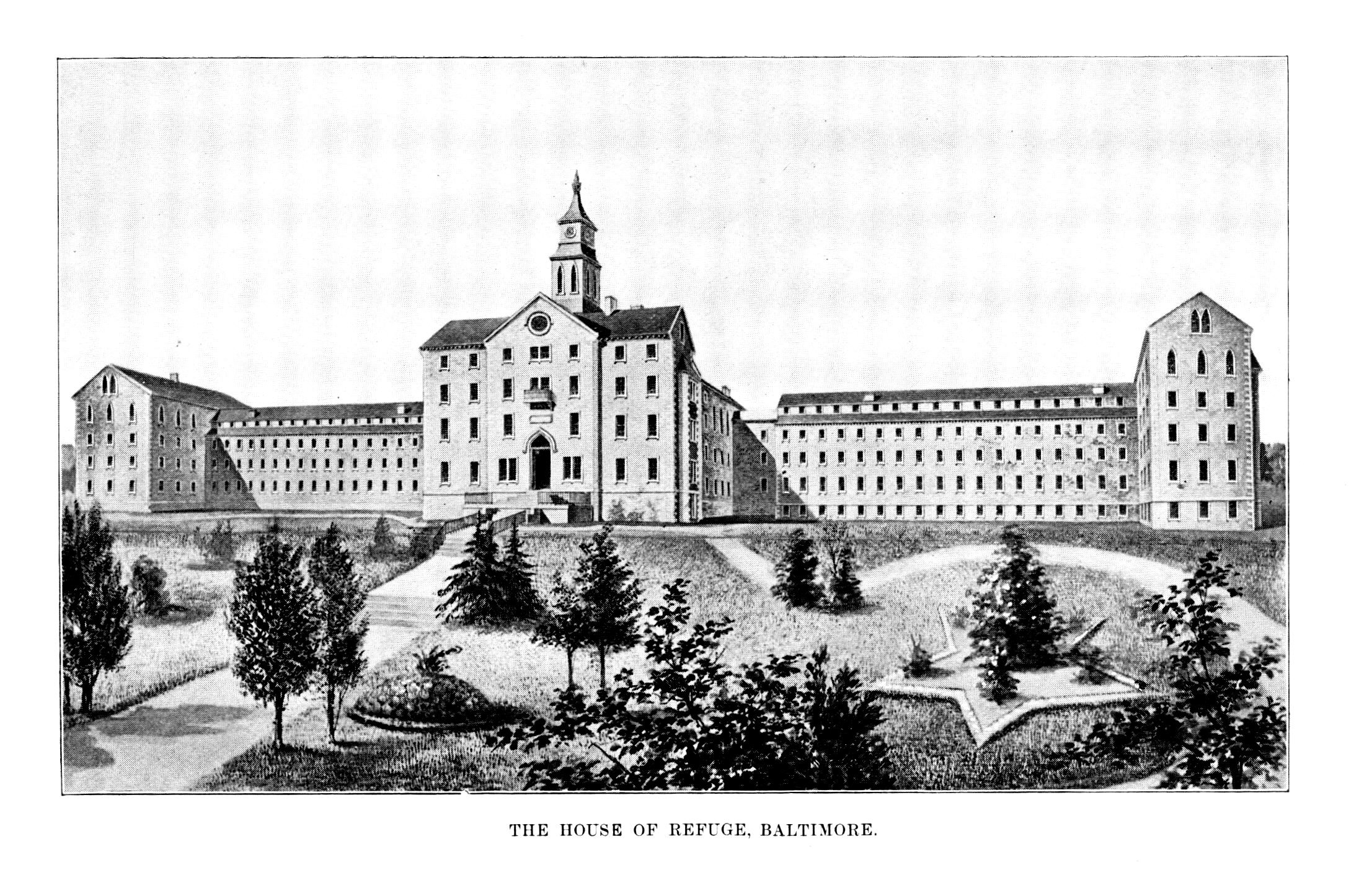
House of Refuge. Message of Frank Brown, Governor of Maryland, to the General Assembly at its Regular Session, January, 1894 (Baltimore: Wm. J.C. Dullany Company, 1894). Maryland State Archives

House of Refuge. Message of Frank Brown, Governor of Maryland, to the General Assembly at its Regular Session, January, 1894 (Baltimore: Wm. J.C. Dullany Company, 1894). Maryland State Archives

Additional Information

  • Dates: 1812/02/14
    Notes: House of Industry (later, 1831, House of Refuge) organized by Drs. Edward Johnson, James McHenry, George Roberts, James H. McCullough and others (February 14).
    Source: Cordell, Eugene Fauntleroy, Medical Annals of Maryland 1799-1899 Baltimore: The Medical and Chirurgical Faculty for the State of Maryland: 679
  • Dates: 1894
    Notes: HOUSE OF REFUGE, situated on the Frederick Road, in the western suburbs of Baltimore city, was chartered in 1831, and embraces a lot of fifty-five acres. The large buildings were erected at a cost of $260,000, which amount was contributed by the State of Maryland, the city of Baltimore and by private contributors. It is a reformatory institution where incorrigible boys are committed at the request of their parents. Others are committed for misdemeanors and sundry offenses. The institution provides for a plain, practical English education, and has workshops for mechanical training in the practical branches of industry, many of the boys being engaged in printing, some as wood-workers, and others in the metal-working department. The need of an institution of this character is generally recognized by the citizens of the State. The State of Maryland appropriates the sum of $15,000 annually towards its support. This is followed by an appropriation from the city of Baltimore of about the same amount.
    Source: Message of Frank Brown, Governor of Maryland, to the General Assembly at its Regular Session, January, 1894 Baltimore: Wm. J.C. Dullany Company: 70


Hospital Saturday and Sunday Association of Baltimore

Founded: 1882
Location: Baltimore, MD

Additional Information

  • Dates: 1901
    Notes: (1882), Secretary, Dr. E.F. Cordell, 1526 John St. Object.– To support free beds in the hospitals of Baltimore; by drawing out gifts for hospital work, especially by collections at appointed times, in churches and public places, to be given under the management. (To institutions designated by the donors, if desired.) Management.– Some 150 members, with executive and distributing committees. Churches and synagogues have contributed. The collections, Hospital Saturday and Sunday, November 24-25, 1900, were $905.81.
    Source: Charity Organization Society, Directory of the Charitable and Beneficent Organizations of Baltimore together with Legal Suggestions, Etc. Baltimore: 59